News 2025
News list
-
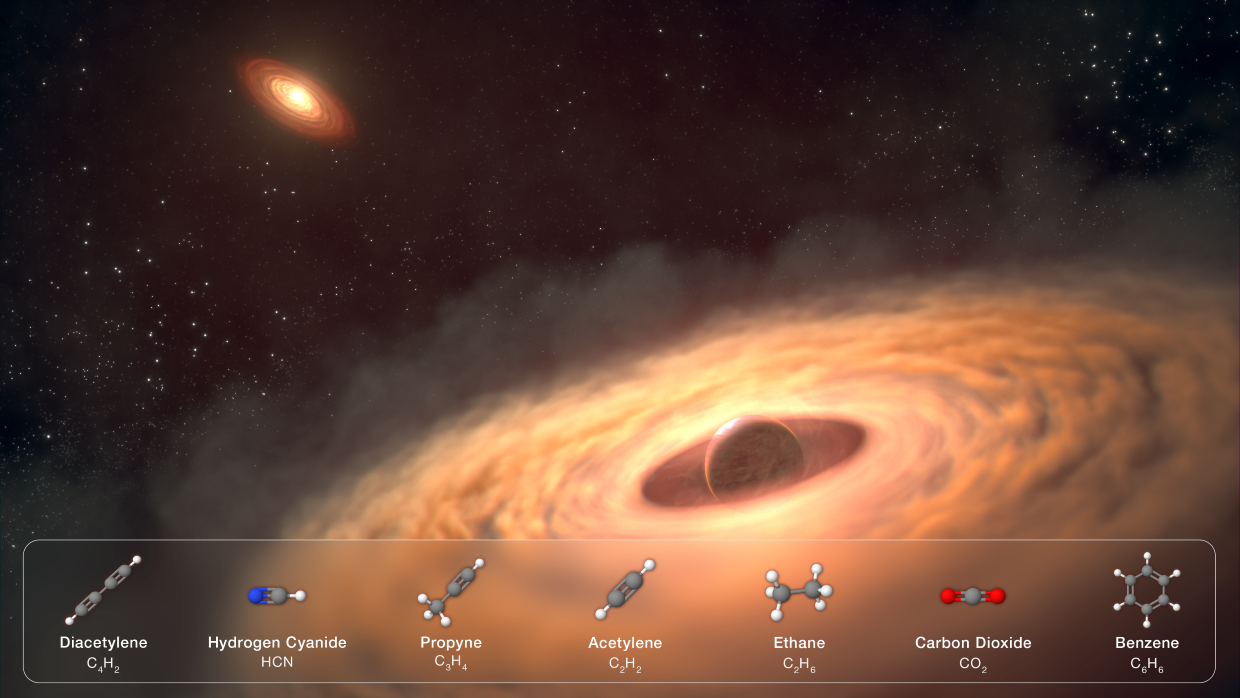
Witnessing the Formation of Moons
NASA's Webb Telescope is investigating the formation of moons around a massive planet. A team at UZH is using the data to study the chemical composition of a disc that is believed to be the basis for the formation of new moons.
-
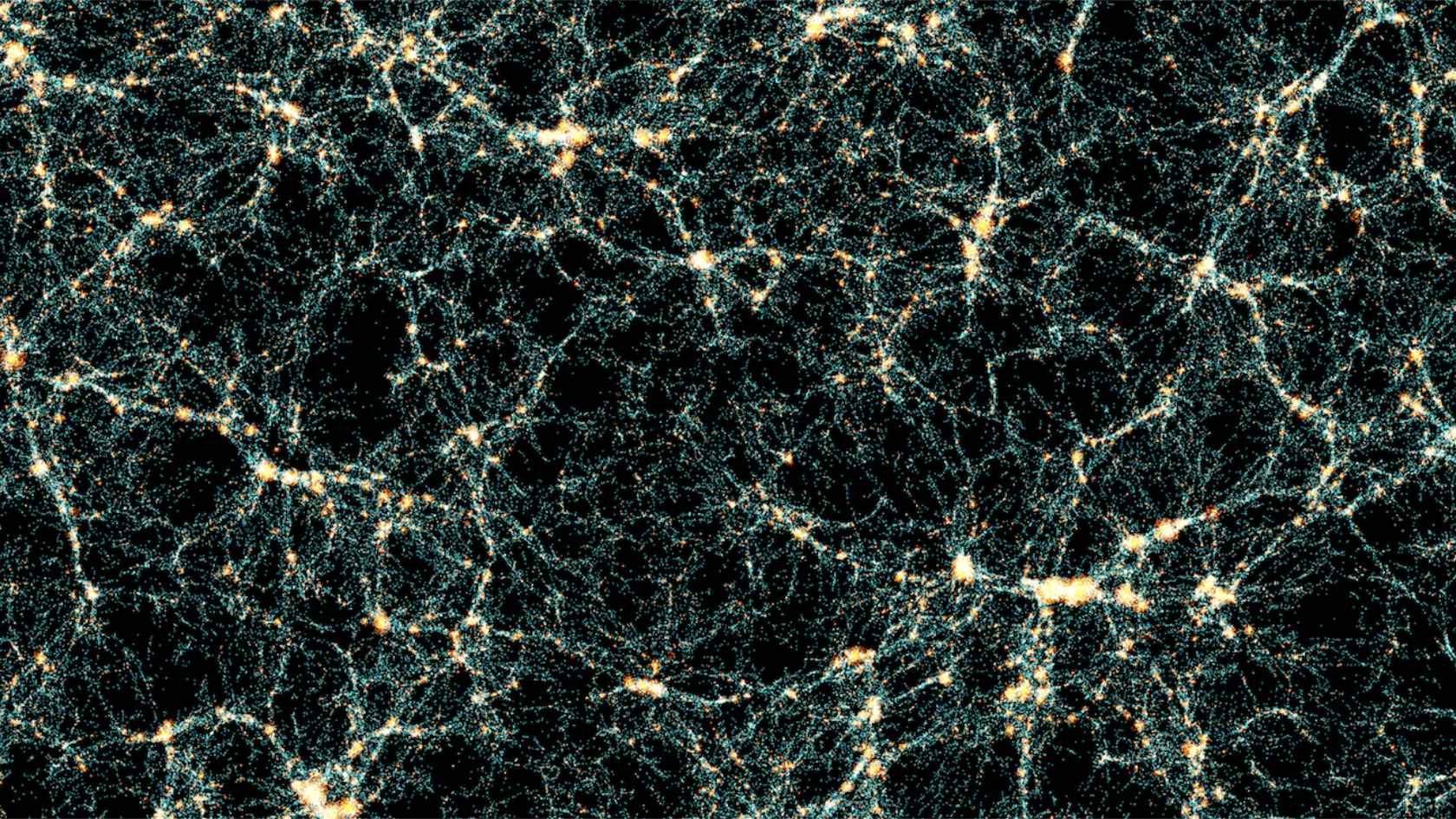
Largest-Ever Cosmological Simulation
The consortium running the European Space Agency’s (ESA) Euclid mission has published the most extensive simulation of the cosmos to date. The modeling was based on algorithms developed by UZH professor Joachim Stadel.
-
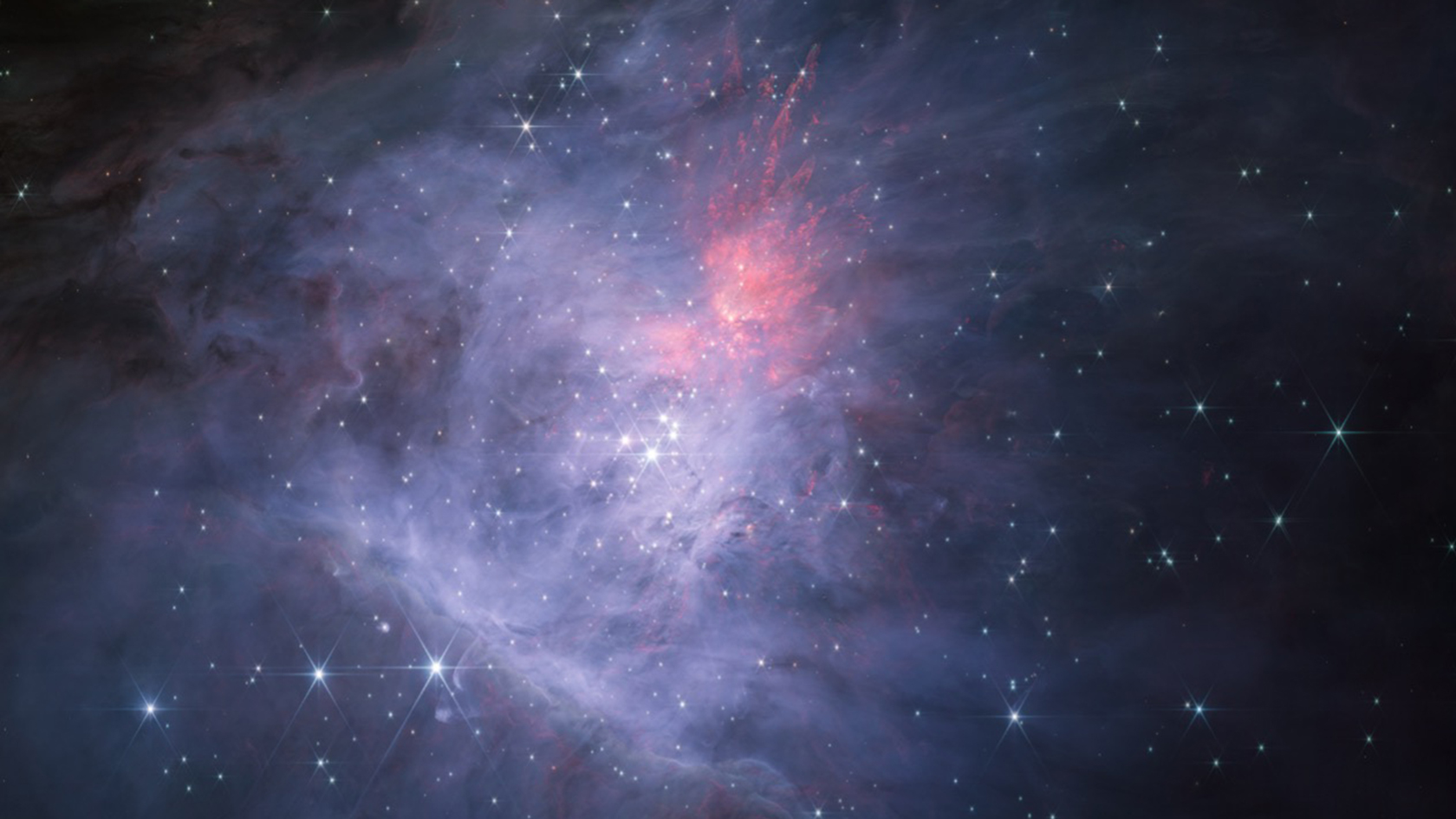
Young Star Clusters Give Birth to Rogue Planetary-Mass Objects
How do rogue planetary-mass objects – celestial bodies with masses between stars and planets – form? An international team of astronomers, including the University of Zurich, has used advanced simulations to show that these enigmatic objects are linked to the chaotic dynamics of young star clusters.
Categories