Latest News
News list
-
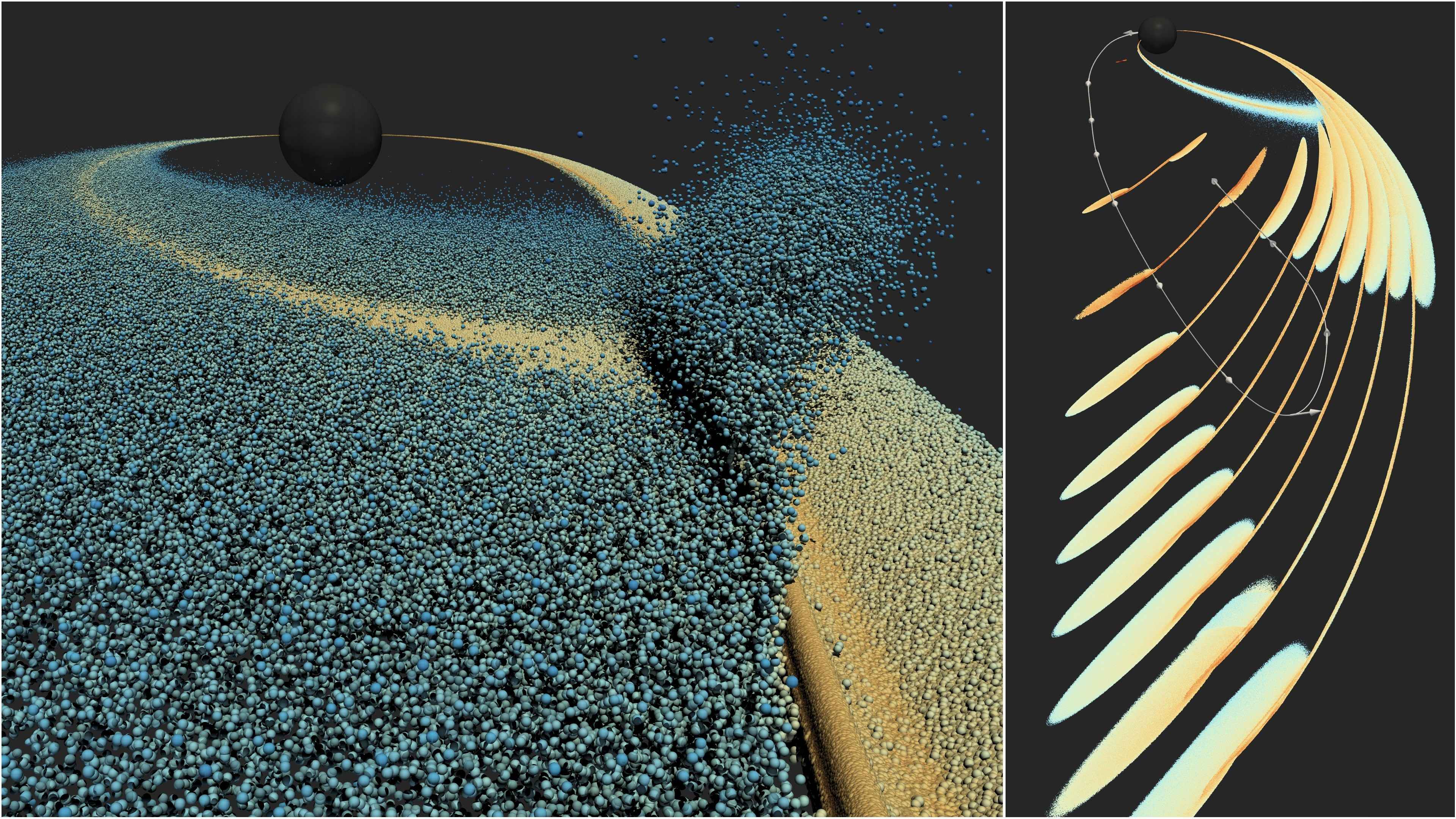
Tidal disruption simulation selected as finalist at Supercomputing 2026
A visualization based on new tidal disruption simulations by Noah Kubli and Lucio Mayer from the Department of Astrophysics at UZH, together with Sebastian Keller from CSCS, has been selected as a finalist for display at Supercomputing 2026 in Chicago, one of the world’s leading events in high-performance computing.
-
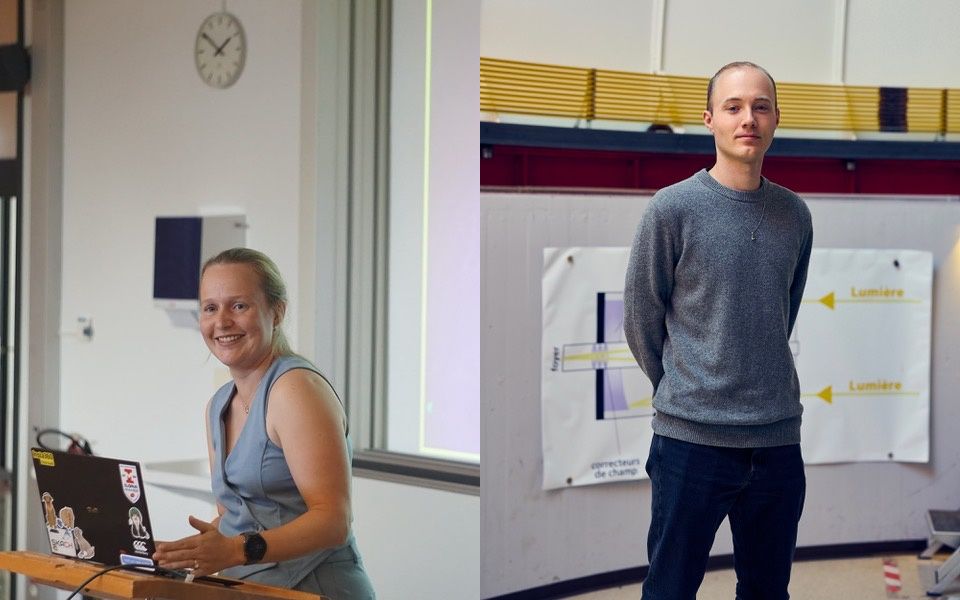
Edith Alice Müller Award 2026 for Floor van Donkelaar
We are happy to announce that Floor van Donkelaar, who completed her PhD at the Department of Astrophysics at the University of Zurich, has received the Edith Alice Müller Award 2026 from the Swiss Society for Astrophysics and Astronomy (SSAA). The award recognises outstanding PhD theses in astronomy and astrophysics.
-
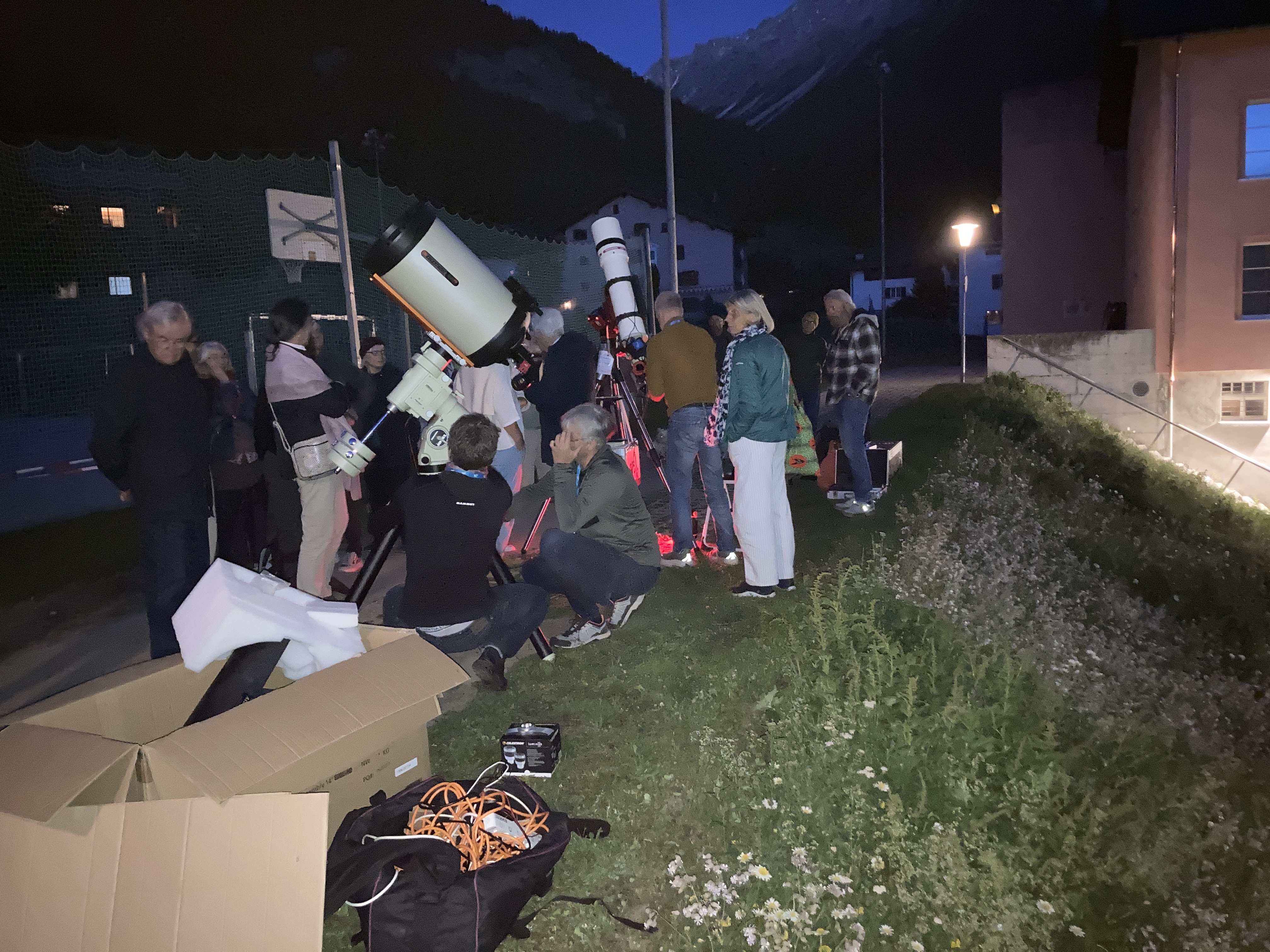
Department of Astrophysics Joins Bergfahrtfestival in Bergün
On 13 June 2026, members of the Department of Astrophysics participated in the Bergfahrtfestival in Bergün for the first time, bringing astronomy closer to the public. Around 100 visitors observed star clusters, galaxies, and planets through telescopes and explored stunning astrophotography of the Graubünden night sky.
-

Probing supermassive black holes: simulations reveal a new pattern in torn-apart stars
Supermassive black holes are among the largest objects in the Universe, yet most of them remain effectively invisible. Now, simulations conducted by Lucio Mayer’s team at the University of Zurich, together with colleagues in Italy, the UK, and the US, on CSCS’s Alps supercomputer using the new GPU-based code SPH-EXA, show in unprecedented detail how a star is torn apart by a black hole, producing a signal that can reveal its presence. The results also identified a previously unseen pattern that may help detect these hidden giants in the future.
-
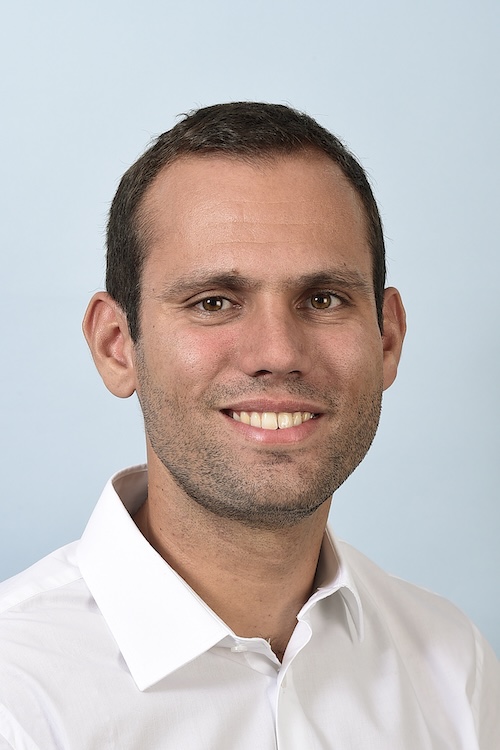
Meet a Scientist: Dr. Gabriele Cugno
UZH astronomer Dr. Gabriele Cugno is one of a few researchers in Switzerland working with data from the James Webb Space Telescope (JWST), one of the most powerful space-based telescopes ever built. In this interview, he talks about his work detecting moon-forming disks around young exoplanets and using molecular mapping to study their composition, shedding light on how moons and giant planets form and what this tells us about the origins of planetary systems like our own.